


Children’s grief and death anxiety
“How can I help my child feel less anxious? How do I get them to go to school – and stay at school?”
These are questions frequently asked by concerned parents who bring their grieving children to ‘A Friends’ Place’. Bereaved adults also express heightened feelings of anxiety and difficulty sleeping after the death of someone they love. Anxiety in grief is distressing for any of us, but understandable, caused by an event that has thrown our familiar world into chaos. No matter what our age, we may feel out of control – or as if the world is.
Understanding anxiety and grief
Whether bereaved or not, simply living a life means that we all experience anxiety. It may be mild and fleeting, moderate and of slightly longer duration, or severe and prolonged. According to the Australian Bureau of Statistics, 3 million prescriptions for anxiety medication were dispensed in 2023/4. One in four people is expected to experience distressing anxiety in our lifetime – and a concerning percentage of these prescriptions are for children and young people.
Not all anxiety is bad. The ability to feel anxious is necessary for survival. It alerts us to danger, fuels our response mechanisms (fight or flight) and helps us to achieve physical and intellectual goals. The familiar and comfortable rhythm of mild anxiety followed by relaxation keeps our bodies and psyches in good working order and reminds us that we are alive and ‘in life’. Some people even seek the increased heart rate and sweaty palms that anxiety produces through extreme sports to deliver them a regular ‘dose’ of adrenalin. Others interpret the same sensations as cause for alarm.
Social anxiety
We live in an anxiety producing environment. Daily news bulletins about natural and man-made disasters, domestic violence, murder and suicide, interminable international conflict, all tend to increase anxiety in most of us. This becomes the background in which we experience our own personal traumas, losses, and crises making us feel as if the world is unsafe and certainly out of our control. How then do we remain fully engaged in life and able to fulfil our potential? Where do we find respite? In these circumstances it can be tempting to turn to chemical or behavioural coping mechanisms – alcohol, prescription or party drugs, gambling, hyperactivity, or screen addition – for fast relief.
But what are we really afraid of? What fuels that sense of dis-ease that many of us experience on a regular basis?
What makes so many young people vulnerable to cruel comments posted on social media? Why do they read the comments in the first place and why do we adults read posts or articles that raise our anxiety? My guess is that many of us, including teenagers and children, create what I call a receptor site for distress chemicals by being our own biggest critics and doomsday prophets. We may critically evaluate our physical and intellectual worthiness, our appearance, our accomplishments, measuring them against unrealistic or artificial standards.
Confronting the basis of our fears
Once we find the answer to the question “what am I really afraid of?” we can begin finding ways of managing our anxiety. Are we more afraid of living than of dying? For example, we may fear never being truly loved, fear dying without fulfilling our goals and dreams – or simply fear dying at all.
We can often laugh off these fears with the familiar throw-away line, “We all have to die someday.” But words like these don’t touch the reality until we are literally faced with our own mortality, or the death of someone we love. What might be different if we talked truthfully about our fears, including the manner of our dying, with trusted others? My guess is that the intensity of those feeling would lessen markedly and reduce our need for chemical solutions.
The impact of death anxiety on children
How many of us have conversations about death with our children as we teach them about life? How many of us use the words ‘death, dying or dead’, instead of euphemisms like ‘passed, passed away or lost’? We choose to confuse children with our euphemistic language in the belief that we are softening the edges for them when it is really us, we are protecting.
Genuine death awareness and the ability to acknowledge this with family and friends, can enhance our appreciation of life, our relationships, of meaningful places and experiences, and encourage us to be more verbally and physically expressive. In contrast, an intense fear of death can prevent us from taking risks, from loving deeply, and from fully participating in life.
Children watch and listen, learning from our modelled truth. If they seem deeply afraid of death, how might we have contributed to this fear? How much of it comes from their current social environment?
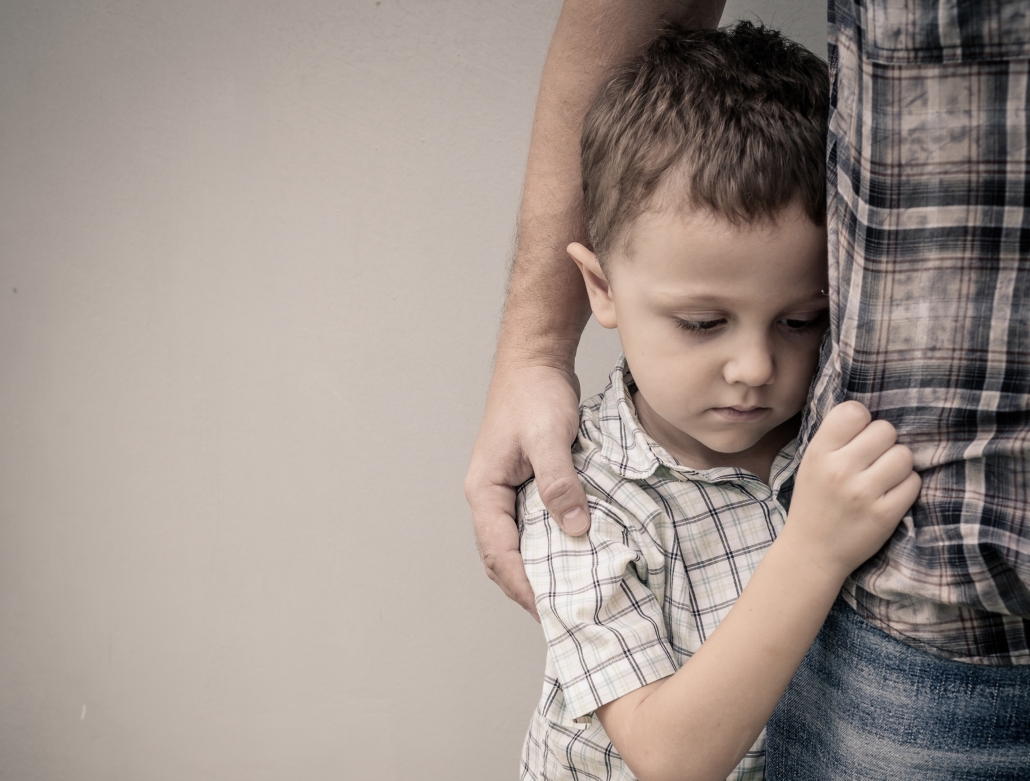
For grieving children, particularly in the early months and years after a death, anxiety can escalate. The fear of another person they love dying may be heightened. Every goodbye can seem like the last time they will see that person. They may become hyper-vigilant, needing to know where loved ones are at all times. When they grieve the death of a parent they may insist on sleeping with their surviving parent to ensure that they are breathing, that their heart is still beating, unconsciously believing that their presence can prevent another death.
Death anxiety might also manifest as school refusal, or a need to come home early so they can check everyone’s safety. If a sibling has died, anxiety about their own death may result in sleeplessness or increased concerns about minor physical injuries or symptoms. In this respect, children are no different to adults. The death of someone in our own age group can be confronting for all of us and for a time, visits to the GP for reassurance might increase.
Supporting children through death anxiety
So how can we help children live with death anxiety?
Laying healthy foundations early in life makes it much easier to deal with anxiety about death when children hear stories that disturb or confuse them or have their first experience of the death of someone or something they love.
If we are wise, we will talk to them about death from when they are born. We can do this by showing them things that are living and things that are dead and explaining the difference; by having books like ‘When Dinosaurs Die’ on the bookshelf and reading it with them as soon as they are old enough to listen; by taking them to funerals of people they aren’t very close to and explaining what is happening and why; by making sure that they know there are no taboo questions and that they will always receive truthful answers.
We can remind ourselves and any children and young people in our care that our aim isn’t to live in a state of perpetual serenity.
We can remind them that anxiety, including death anxiety, has value. It serves a useful purpose physically, mentally and spiritually. It helps keep us safe. If we didn’t fear death we might take unnecessary risks with our lives.
When children become anxious about global catastrophes, climate change, war, or pandemics we can remind them that while there are some things outside our control, there are many things that we can control. Brainstorming small, positive actions as a family can be helpful and empowering and reduce anxiety. Likewise, reducing exposure to anxiety inducing media, especially violent news and movies, can make a significant difference.
One practical and effective strategy we have used at A Friend’s Place when a child’s anxiety about dying and death is foreground, involves engaging the child in a ‘death intelligence’ exercise. It’s important that adults present do the exercise with the child so that they feel joined rather than observed. We tell the child that we are going to test how many ways of dying we can identify. We might say, “let’s see if we can think of 5 ways people can die.”, writing them down on a white board or large sheet of paper. Then we might stretch ourselves by writing another five.
Children sometimes deal with death anxiety by using humour, so if it feels appropriate, you might extend the exercise and think of ways of dying that children might find amusing but also talk about when humour is helpful and when it might hurt others.
There are many creative things we can all do to decrease anxiety in general, including death anxiety, and brainstorming those ideas as a family can be enjoyable as well as therapeutic. If you are bereaved and remain concerned about your own death anxiety or the death anxiety of your children, don’t hesitate to contact the skilled counsellors at ‘A Friends’’ Place’ on 1300 654 556 or write to me with specific questions at this outreach service: [email protected]
By Dianne McKissock OAM
Co-founder, National Centre for Childhood Grief
May 2025